Female breasts -Size-Growth
This webpage provides clear and simple information about female breasts. It explains their structure, function, and unique features in an easy-to-understand way for learning and exploration.
Female Breast Growth with Age
Introduction to Breast Development
Breast development is a significant aspect of female puberty, typically beginning between the ages of 8 and 13. The initial stage is marked by the formation of breast buds, which are small swellings under the nipple. This process is driven by hormonal changes, particularly the increase in estrogen produced by the ovaries.
Stages of Development
- Early Development (Ages 8-13): The first visible sign of breast growth occurs as breast buds form. During this time, girls may experience tenderness and soreness as their breasts begin to grow.
- Continued Growth (Ages 14-17): As puberty progresses, breasts continue to develop and become rounder and fuller. The areola may darken and enlarge, while the nipples may become more pronounced. By age 17, most girls will have fully developed breasts; however, some may continue to grow into their early twenties.
- Post-Puberty Changes (Ages 18+): After reaching full development, breast size can still fluctuate due to factors such as weight gain or loss, hormonal changes during menstrual cycles, pregnancy, and aging.

What influences female breast size?
Breast size varies significantly among individuals and is primarily determined by genetics. Additionally, body fat plays a role since breasts contain adipose tissue; thus, weight changes can affect breast size.
Conclusion
Understanding the stages of breast development helps demystify this natural process that many young women experience during puberty and beyond.

How can i increase my breast size ?
There isn’t a specific exercise or system that can significantly increase breast size, as breast tissue is primarily made up of fat and glandular tissue, not muscle. However, certain exercises can help improve the overall appearance and firmness of the chest area by strengthening the pectoral muscles underneath the breasts. Some exercises that can help tone and strengthen the chest muscles include:
- Push-ups
- Chest presses
- Chest flies
Remember, everyone’s body is unique, and it’s important to embrace and appreciate your natural shape.
When do female breasts stop growing ?
Breast development begins between the ages of 8 and 13. Female breasts typically stop growing by the late teens to early twenties. However, this can vary from person to person. Factors like genetics, hormonal changes, and overall health can influence breast development.
why my breasts are so small , i am 20
Breast size varies greatly among individuals and is influenced by factors like genetics, hormones, and overall body composition. It’s important to remember that there’s no “normal” or “ideal” breast size—everyone’s body is unique and beautiful in its own way.
What causes breast size differences between individuals?
Breast size differences can be attributed to a variety of factors including genetics, hormonal levels, body weight, and age. Hormonal changes during puberty, menstrual cycles, pregnancy, and menopause can also influence breast size. Genetics plays a significant role in determining the overall shape and size of breasts.
Is it normal for one breast to be larger than the other?
Yes, it is completely normal for one breast to be larger than the other. Many women experience some asymmetry in breast size, which can vary throughout life due to hormonal changes or weight fluctuations.
How do breasts change with age?
As women age, particularly after menopause, breasts undergo several changes including a decrease in glandular tissue and an increase in fatty tissue. This change can lead to less firmness and more sagging due to gravity and loss of collagen in the skin.
What is the most sensitive part of a female's breasts ?
The skin of the superior quadrant is the most sensitive part of the breast, the areola is less sensitive, and the nipples are the least sensitive part. Sensitivity can vary from person to person, and other parts of the breasts may also be sensitive for some individuals.
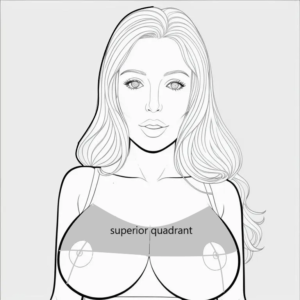
Can diet affect breast health?
Yes, certain dietary choices can impact overall health including breast health. A diet rich in fruits, vegetables, whole grains, nuts, and legumes may help reduce cancer risk and promote general well-being of breast tissue. Foods high in phytosterols have been shown to inhibit tumor development according to some studies.
Do bras prevent sagging?
While wearing bras can provide support and comfort, they do not prevent sagging over time as sagging is primarily caused by aging and gravity affecting connective tissues within the breasts. A supportive sports bra may help during physical activities but does not stop natural aging processes from occurring.
- FAQ
When do breasts typically start developing in girls?
Breasts usually start developing around ages 9 to 10, but this can vary based on individual factors such as genetics and ethnicity.
What are breasts primarily made of?
Breasts are primarily composed of glandular tissue, adipose (fat) tissue, and connective tissue.
Is it normal for one breast to be larger than the other?
Yes, it is completely normal for one breast to be slightly larger than the other; most women experience some degree of asymmetry.
Do breasts continue to grow after puberty?
Breast growth typically continues until around age 18, but changes can occur throughout a woman’s life due to hormonal fluctuations, weight changes, and pregnancy.
Can birth control pills affect breast size?
Birth control pills may cause temporary breast swelling or tenderness due to hormonal changes, but they do not significantly increase breast size long-term.
What causes breast tenderness before menstruation?
Hormonal fluctuations during the menstrual cycle can lead to breast tenderness due to increased blood flow and swelling in the breast tissue.
Are nipple hairs normal?
Yes, having fine hair around the nipples is common and generally not a cause for concern unless there is a sudden change in hair density or texture.
How often should women perform self-breast exams?
Women should perform self-breast exams monthly to become familiar with their normal breast tissue and detect any changes early on.
What does it mean if a lump is found in the breast?
Finding a lump in the breast can be concerning, but it doesn’t always mean something serious. Many breast lumps are benign (non-cancerous) and can result from various causes, such as hormonal changes, cysts, or fibroadenomas
Can dense breasts increase cancer risk?
Yes, having dense breasts can increase the risk of developing breast cancer and make it more difficult for radiologists to detect tumors on mammograms.
what is nipple piercings?
Nipple piercings involve inserting a piece of jewelry, such as a barbell or ring, through the nipple. It’s a form of body modification and self-expression that has cultural, aesthetic, and sometimes personal significance for those who choose it.
Is it safe to get nipple piercings?
Nipple piercings can be safe if performed by a qualified professional using sterile techniques; however, there are risks such as infection or allergic reactions that should be considered beforehand.
Do all women experience changes in their breasts during pregnancy?
Yes, most women will notice significant changes in their breasts during pregnancy due to hormonal shifts preparing for lactation; these changes include increased size and sensitivity.
Can exercise improve the appearance of breasts?
While exercise cannot directly lift or change breast tissue since they are primarily made of fat, strengthening chest muscles underneath can enhance overall appearance and firmness of the bust area.
How does breastfeeding affect breast shape after weaning?
Breastfeeding can temporarily change the shape and size of breasts; after weaning, some women may notice sagging or loss of volume due to stretched skin and tissues during lactation periods.
Are there any non-cancerous conditions that affect breasts?
Yes, conditions like fibrocystic changes (lumpy or painful areas), cysts (fluid-filled sacs), and mastitis (inflammation) are common non-cancerous issues affecting women’s breasts at various stages of life.
Can weight loss impact breast size significantly?
Yes, weight loss often leads to reduced fat deposits in the breasts which may result in decreased size; however, individual experiences vary based on body composition and genetic factors influencing fat distribution patterns across different body areas including the bustline itself!
What role do hormones play in breast health?
Hormones such as estrogen influence development throughout puberty & menstrual cycles while also affecting conditions like fibrocystic disease & even cancers later on—hormonal balance remains key!
How does aging affect women’s breasts?
Aging brings natural changes to women’s breasts due to hormonal shifts, particularly the decline in estrogen levels during menopause. This can lead to a loss of fat, tissue, and mammary glands, causing the breasts to become smaller, less full, and less firm. The skin and connective tissue also lose elasticity, which can result in sagging
Are there any myths surrounding bra usage?
Common myths suggest bras prevent sagging—however research indicates that wearing/not wearing them doesn’t significantly impact long-term sagging effects—individual comfort matters most!
Can stress impact my breasts?
Stress affects hormone levels which might lead towards tenderness/swelling among other physical manifestations—managing stress through relaxation techniques/exercise helps maintain overall well-being including your bustline!
What is breast milk made of?
Breast milk contains water, proteins, fats, carbohydrates, vitamins, minerals, and antibodies
Why is breast milk important for newborns?
It provides essential nutrients and antibodies that help protect babies from infections and diseases.
Can breast milk change over time?
Yes, its composition adapts to meet the baby’s changing nutritional needs as they grow.
What is colostrum?
Colostrum is the first milk produced after birth, rich in antibodies and nutrients.
How long can breast milk be stored?
Freshly expressed milk can be stored in the fridge for up to 4 days or frozen for 6-12 months.
Does breast milk help with immunity?
Absolutely! It contains antibodies that strengthen the baby’s immune system.
Can breast milk vary between mothers?
Yes, factors like diet, health, and environment can influence its composition.
Is breastfeeding beneficial for mothers?
Yes, it can reduce the risk of certain cancers and help with postpartum recovery.
Can breast milk be donated?
Yes, milk banks accept donations to help babies in need, especially preemies.
What are the signs of a good milk supply?
A baby gaining weight and having regular wet diapers are good indicators.
Can stress affect milk production?
Yes, stress can impact the let-down reflex and milk supply.
Is breast milk lactose-free?
No, it contains lactose, which is a natural sugar.
Can breast milk be used for medical purposes?
In some cases, it’s used to treat conditions like eczema or eye infections.
What is foremilk and hindmilk?
Foremilk is the watery milk at the start of feeding, while hindmilk is richer and comes later.
Can breast milk be frozen and thawed?
Yes, but it should be thawed in the fridge or warm water, not microwaved.
is breast milk also good for adults?
Breast milk is tailored specifically for infants, providing them with the nutrients and antibodies they need. While it’s not harmful for adults to consume, there isn’t significant evidence to suggest that it offers substantial health benefits for adults compared to other available sources of nutrients like dairy or plant-based milk.