Male testicles-function and structure
Male testicles
Testicles, also known as testes, are essential components of the male reproductive system. They play a crucial role in producing sperm and hormones, particularly testosterone. Understanding their structure, function, and health is vital for overall male reproductive health.
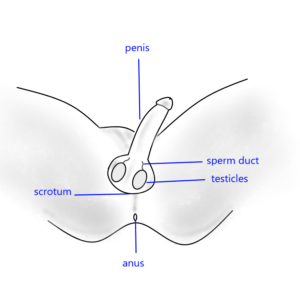
Structure of Testicles
The testicles are two oval-shaped organs located within the scrotum, a pouch of skin that hangs below the penis. This external positioning is critical because sperm production requires a temperature that is approximately 2 degrees Celsius lower than the body’s core temperature. Each testicle measures about 5 cm in length and is covered by protective layers called the tunica vaginalis and tunica albuginea.
Inside each testicle, there are about 800 tightly coiled seminiferous tubules where spermatogenesis (the process of sperm production) occurs. These tubules connect to a network of ducts known as the rete testis, which leads to the epididymis—a structure responsible for storing and maturing sperm before they travel through the vas deferens during ejaculation.
Function of Testicles
The primary functions of the testicles include:
- Sperm Production: The seminiferous tubules contain germ cells that develop into sperm cells over approximately 74 days. Once matured, these sperm are stored in the epididymis until ejaculation.
- Hormone Production: Testicles produce testosterone in Leydig cells. Testosterone is responsible for various male characteristics such as muscle mass, body hair growth, and voice deepening during puberty.
- Temperature Regulation: The scrotum helps maintain an optimal temperature for sperm production by contracting or relaxing based on environmental conditions
How to protect testicles from disease?
Maintaining testicular health is crucial for overall reproductive health. Regular self-examinations can help detect abnormalities such as lumps or changes in size that may indicate conditions like testicular cancer or infections. Men should perform these self-exams monthly starting from puberty to familiarize themselves with what is normal for their bodies.
Common Conditions Affecting Testicles
Several conditions can affect testicular health:
- Testicular Cancer: Most common among men aged 15 to 35; early detection significantly improves treatment outcomes.
- Epididymitis: Inflammation of the epididymis often caused by infections or sexually transmitted diseases.
- Varicocele: Enlarged veins within the scrotum that can lead to discomfort and fertility issues.
- Hydrocele: Fluid accumulation around one or both testicles; usually painless but should be evaluated by a doctor if it becomes large or uncomfortable.
Symptoms to Watch For
Men should seek medical attention if they experience any of the following symptoms:
- Lumps or swelling in one or both testicles
- Changes in size or shape
- Pain or discomfort in the scrotum
- A feeling of heaviness in the scrotum
- Any unusual changes during self-examination.
Conclusion
In summary, testicles are vital organs responsible for producing sperm and hormones necessary for male reproduction. Regular self-examinations and awareness of potential health issues are essential for maintaining optimal testicular health.
- FAQ
What are testicles?
Testicles, also known as testes, are the male reproductive organs responsible for producing sperm and testosterone.
Where are the testicles located?
The testicles are located in the scrotum, a pouch of skin that hangs below the penis.
What is the average size of an adult testicle?
An adult testicle typically measures 3-5 cm in length and 2-3 cm in width.
What is the primary function of the testicles?
The primary function of the testicles is to produce sperm through a process called spermatogenesis and to secrete hormones, particularly testosterone.
How do testicles regulate temperature for sperm production?
Testicles maintain a temperature about 5 degrees Celsius lower than body temperature, which is essential for optimal sperm production. The scrotum helps regulate this temperature by moving closer to or further away from the body.
What structures support the testicles?
The spermatic cord, which contains blood vessels, nerves, and ducts, supports the testicles and connects them to the abdomen.
What is spermatogenesis?
Spermatogenesis is the process by which sperm cells are produced in the seminiferous tubules of the testes.
What hormones do testicles produce?
Testicles primarily produce testosterone, which plays a crucial role in male sexual development and reproductive functions.
Can one testicle produce enough sperm for reproduction?
Yes, one healthy testicle can produce enough sperm to achieve pregnancy.
What is a hydrocele?
A hydrocele is an accumulation of fluid around a testicle, leading to swelling in the scrotum; it is usually painless and may require treatment if symptomatic.
What condition occurs when one or both testicles fail to descend into the scrotum?
This condition is known as cryptorchidism, where undescended testicles may require surgical intervention if they do not descend naturally within six months after birth.
How often should men perform self-examinations of their testicles?
Men should perform self-examinations at least once a month to check for any lumps or changes in their testes.
What symptoms might indicate a problem with the testicles?
Symptoms that may indicate a problem include a lump on a testicle, swelling or enlargement of a testicle, dull ache or pain in the scrotum, or changes in how a testicle feels.
Is it common for one testicle to be larger than the other?
Yes, it is normal for one testicle to be slightly larger than the other; this anatomical variation does not usually indicate any health issues.
What is varicocele?
Varicocele refers to an enlargement of veins within the scrotum that can affect blood flow; it may lead to discomfort and fertility problems but can often be treated surgically.
Can trauma affect the health of the testicles?
Yes, physical trauma such as injury from accidents or sports can damage testicular tissue and lead to complications like torsion or rupture.
How does age affect male fertility related to testicular function?
As men age, testosterone levels may decline, potentially affecting fertility; however, many older men can still father children due to continued sperm production from healthy testes.
Are there any lifestyle factors that can impact testicular health?
Yes, factors such as smoking, excessive alcohol consumption, obesity, and exposure to environmental toxins can negatively impact overall testicular health and fertility.
What should you do if you find a lump on your testicle during self-examination?
If you find a lump on your testicle, you should schedule an appointment with your doctor as soon as possible for evaluation and potential diagnostic testing.
Do female have testicles ?
No, typical biological females do not have testicles; they have ovaries instead. However, some intersex conditions can result in individuals having both ovarian and testicular tissue.