Female Vagina
Every woman’s vagina is different – some larger, some smaller, and some may be long or round. Categorizing all the different types and size can be quite challenging.
What is the Female Vagina?
Definition
The vagina is a stretchy, muscular canal that connects the external genitals (the vulva) to the cervix and uterus in females. It serves multiple essential functions, including facilitating sexual intercourse, allowing for menstrual fluid to exit the body, and providing a birth canal during childbirth.
Anatomy of the Vagina
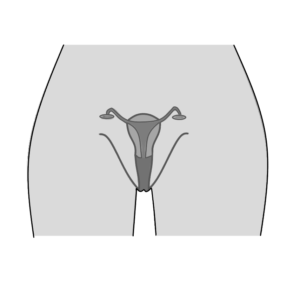
- Location: The vagina is located within the pelvis, positioned between the bladder (anteriorly) and the rectum (posteriorly). It extends from the vaginal opening at the vulva to the cervix of the uterus.
- Structure: The vagina is a fibromuscular tube that can expand and contract. Its walls typically collapse against each other when not aroused but can stretch significantly during sexual arousal or childbirth due to its elastic nature.
- Length: On average, an unaroused vagina measures about 3.5 inches (approximately 9 cm) in depth but can vary based on individual anatomy and factors such as age and hormonal changes.
- Layers: The vaginal wall consists of several layers:
- Mucosa: The innermost layer lined with stratified squamous epithelium that maintains moisture and protects against infections.
- Muscular Layer: Composed of smooth muscle fibers arranged in circular and longitudinal layers, allowing for flexibility and contraction.
- Adventitia: The outermost layer providing structural support, rich in collagen and elastic fibers.
Functions of the Vagina
- Sexual Intercourse: During sexual arousal, blood flow increases to the vaginal walls, causing them to engorge with blood and produce lubrication for comfortable penetration.
- Menstruation: The vagina acts as a passageway for menstrual fluid to exit the body during menstruation.
- Childbirth: During delivery, the vagina expands significantly to allow a baby to pass through from the uterus to outside of the body.
- Sperm Transport: The vagina serves as a receptacle for sperm during intercourse, allowing sperm to travel through it into the cervix and uterus for potential fertilization of an egg.
Health Considerations
Maintaining vaginal health involves regular pelvic exams, practicing safer sex to reduce infection risk, avoiding douching which can disrupt natural flora, and being aware of any changes in discharge or discomfort that may indicate infection or other health issues.
In summary, the vagina is a vital component of female reproductive anatomy, playing crucial roles in sexual function, menstruation, pregnancy, and childbirth while also requiring proper care to maintain its health.
Major Parts of the Female Vagina
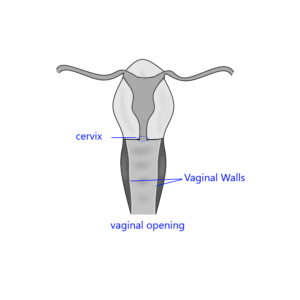
The vagina is a muscular canal that connects the external genitals to the uterus. Key components include:
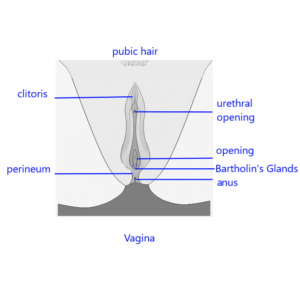
- Vaginal Opening: The entrance to the vagina, located between the urethra and anus.
- Cervix: The lower part of the uterus that opens into the vagina, allowing menstrual fluid to exit and sperm to enter.
- Vaginal Walls: Composed of elastic tissue, they can stretch during sexual arousal and childbirth.
- Bartholin’s Glands: Located near the vaginal opening, these glands produce lubrication during arousal.
These parts work together for reproductive functions, sexual pleasure, and childbirth.